›Civil War (2024)
written and directed by Alex Garland
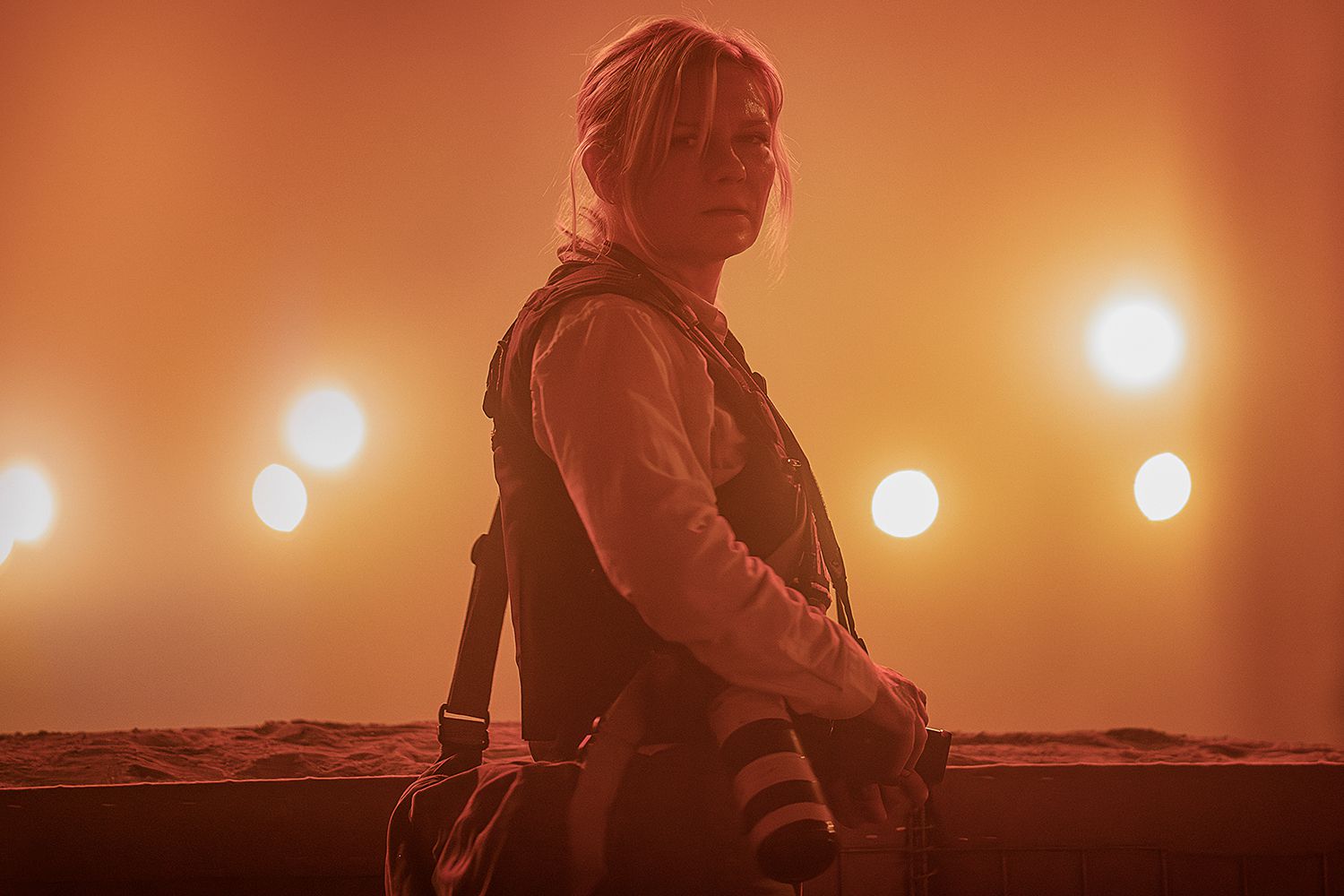
In Civil War, an authoritarian government is fighting secessionist groups in a battle for the future of the United States. Texas and California have joined forces, Florida leads some sort of alliance, and all hell is breaking loose. This is a great concept from the mind of writer/director Alex Garland, who’s at his best when he’s tackling sci-fi or horror in films such as Ex Machina (2015), Annihilation (2018), and Men (2022).
Yet as the movie goes on, you realize that what he’s interested in is far more complex. Civil War is really about lack of humanity – about choosing to ignore conflict, even if it’s right in front of you; about killing an opponent even if you don’t know who the opponent is; about men torturing other men with zero qualms about it; about the ethics of photojournalists as they get high from the violence they cover. The backstory or politics of how America got to this desensitization is unimportant. Humans will just gravitate to destruction.
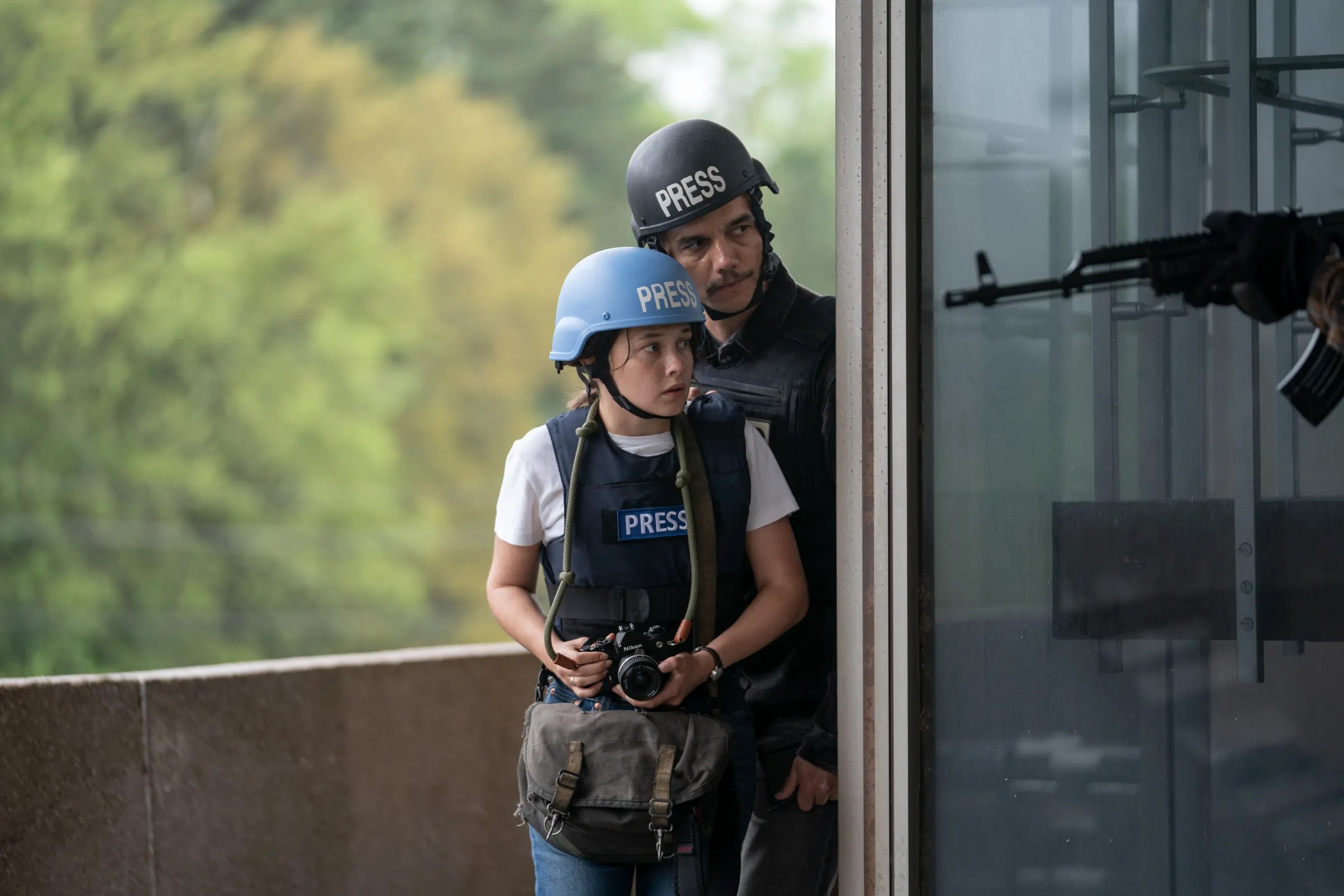
The approach is certainly thought-provoking, yet Civil War comes across as oddly detached, never quite hitting you in the chest the way it should – there’s something a little too sleek, too artificial about this world. And I think part of the issue lies with Garland’s ambivalent use of satire, which feels forced and robs the narrative of some of its realism – at one point, De La Soul’s Say No Go plays over secessionists gleefully executing loyalists as a young reporter (Cailee Spaeny) photographs the murders. It should feel edgy but comes across as overly affected.
Perhaps Garland should’ve leaned into that type of absurdity more, instead of just flirting with it. Still, for all its flaws, Civil War stays with you. It’s no accident the film has been released months before a presidential election that could make or break the nation (an actual civil war between progress and fascism is not outside the realm of possibility). It’s also telling that the movie’s best scene has the main characters, led by Kirsten Dunst as a jaded war correspondent, trying to negotiate with a dangerous militia leader (Jesse Plemons). His racist, ominous question to them – “What kind of American are you?” – is all too real, and should be a warning to all of us.
Rating: **½
Carlos I. Cuevas
Categories: Movies, Mystery/Thriller
 A F T E R I M A G E
I didn’t feel it was artificial at all. And the scene where the secessionists machine-gun the soldiers touched me a lot, precisely because of the coldness of the killers and the journalists in such a horrible situation. But yes, for me the film should’ve connected more to reality. Although it does, a little more would have been more emotional.
Very true what you say in the last paragraph and a brilliant way to close the article. The detachment one feels perhaps comes from the unfulfilled need to take a side. I suppose Garland’s intention was (as you explain) to show us the cruelty of war and how far a journalist will go, even morally, no matter who’s fighting.
Garland should’ve made California and Colorado the allies against the central government. When he lumps Texas and California together he is telling us, “It’s not a war between conservative and liberal states or between Republicans and Democrats, it’s a civil war based on whatever grounds. The president is not Trump (or is he?). The reason for the civil war doesn’t matter, but something like this would be the absurd outcome, so let’s cut the bullshit. Besides, I want the movie to be seen by everyone, not just leftists.”
I agree with him, but then you don’t get a more emotional film. Neither cold, nor hot.
LikeLike