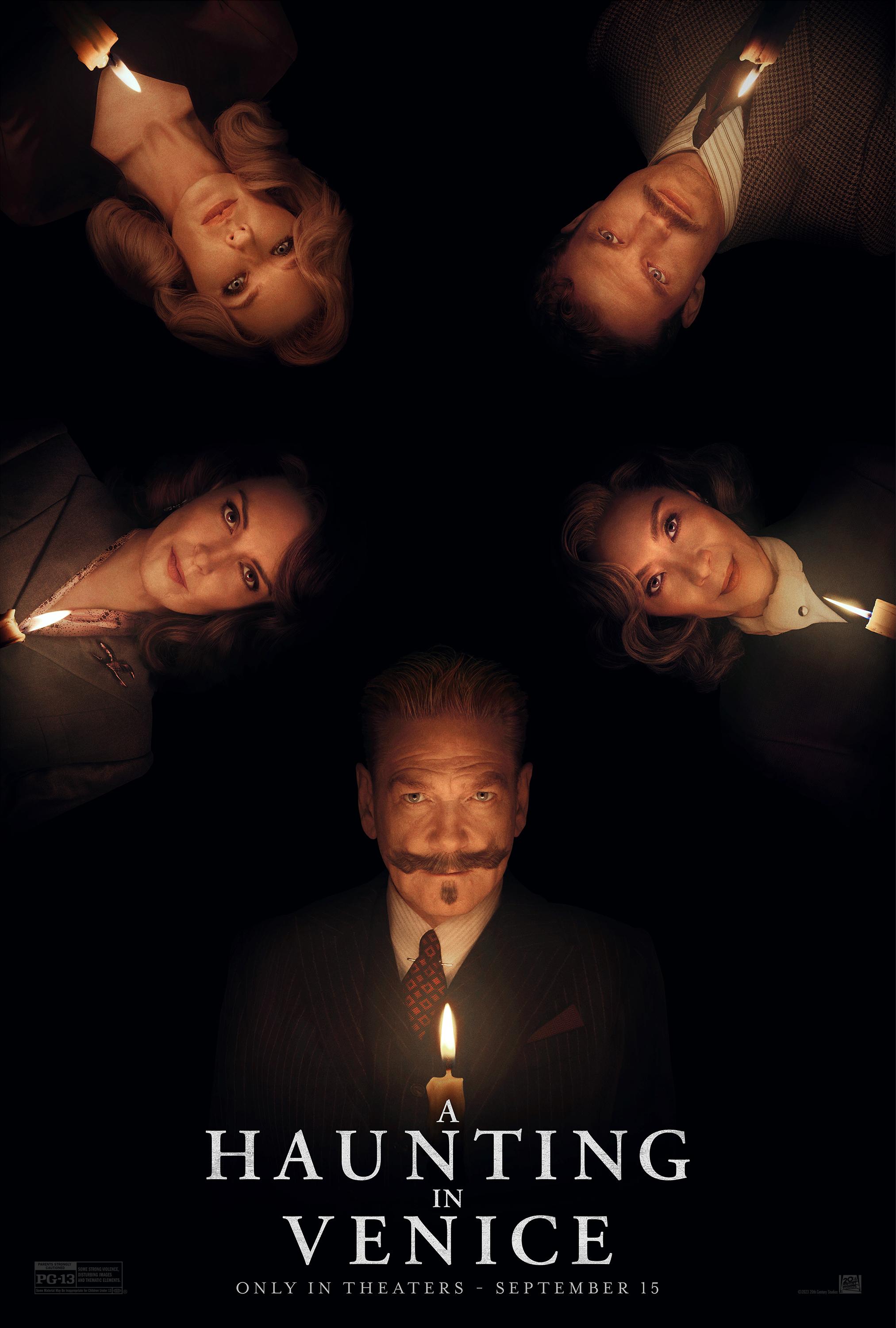
A Haunting in Venice (2023)
written by Michael Green
based on the novel Hallowe’en Party by Agatha Christie
directed by Kenneth Branagh
Kenneth Branagh’s third time playing Agatha Christie’s famed detective Hercule Poirot has the Belgian sleuth living in retirement in Venice, only to be coaxed into attending a séance in order to expose it as fraud. Murder predictably ensues. A Haunting in Venice is an enjoyable if not wholly successful endeavor; similar to the previous two outings, Murder on the Orient Express (2017) and Death on the Nile (2022), Branagh is more interested in style over substance. However, I appreciated the supernatural vibes, Dutch angles, and Italian setting. This series might not be the best so far, but I’m always entertained.
Rating: **½
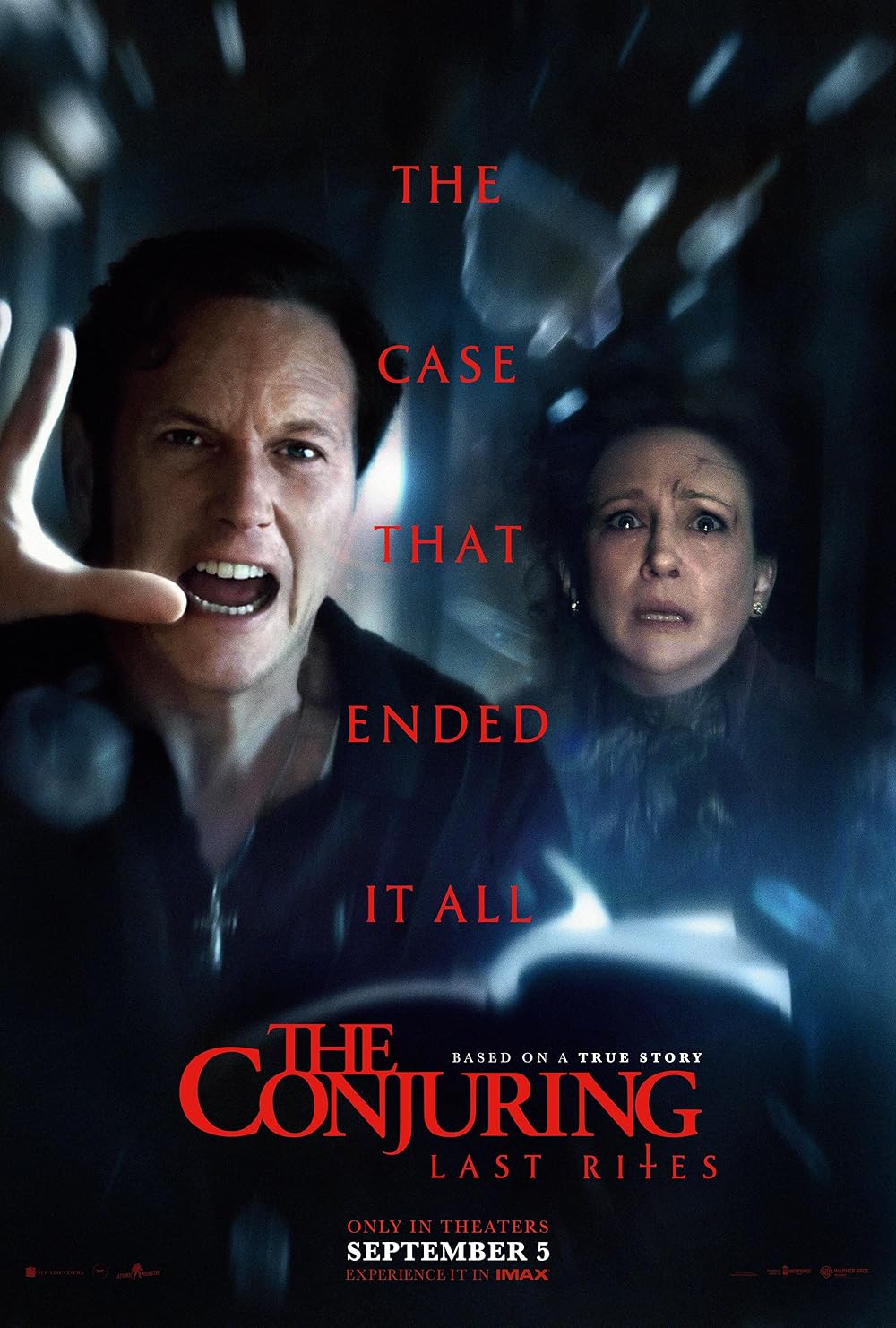
The Conjuring: Last Rites (2025)
written by Ian Goldberg, Richard Naing, and David Leslie Johnson-McGoldrick
from a story by David Leslie Johnson-McGoldrick and James Wan
based on characters created by Chad Hayes and Carey W. Hayes
directed by Michael Chaves
The lackluster final entry (or is it?) in The Conjuring series starring Vera Farmiga and Patrick Wilson as paranormal investigators Ed and Lorraine Warren, Last Rites has the couple facing off against a pesky demon tormenting a Pennsylvania family. But there’s little here that the franchise hasn’t done better elsewhere, namely in The Conjuring (2013), still the best of the four. I did find the scene where a teenager vomits blood and glass appropriately creepy… although by The Exorcist (1973) standards, still lame.
Rating: **
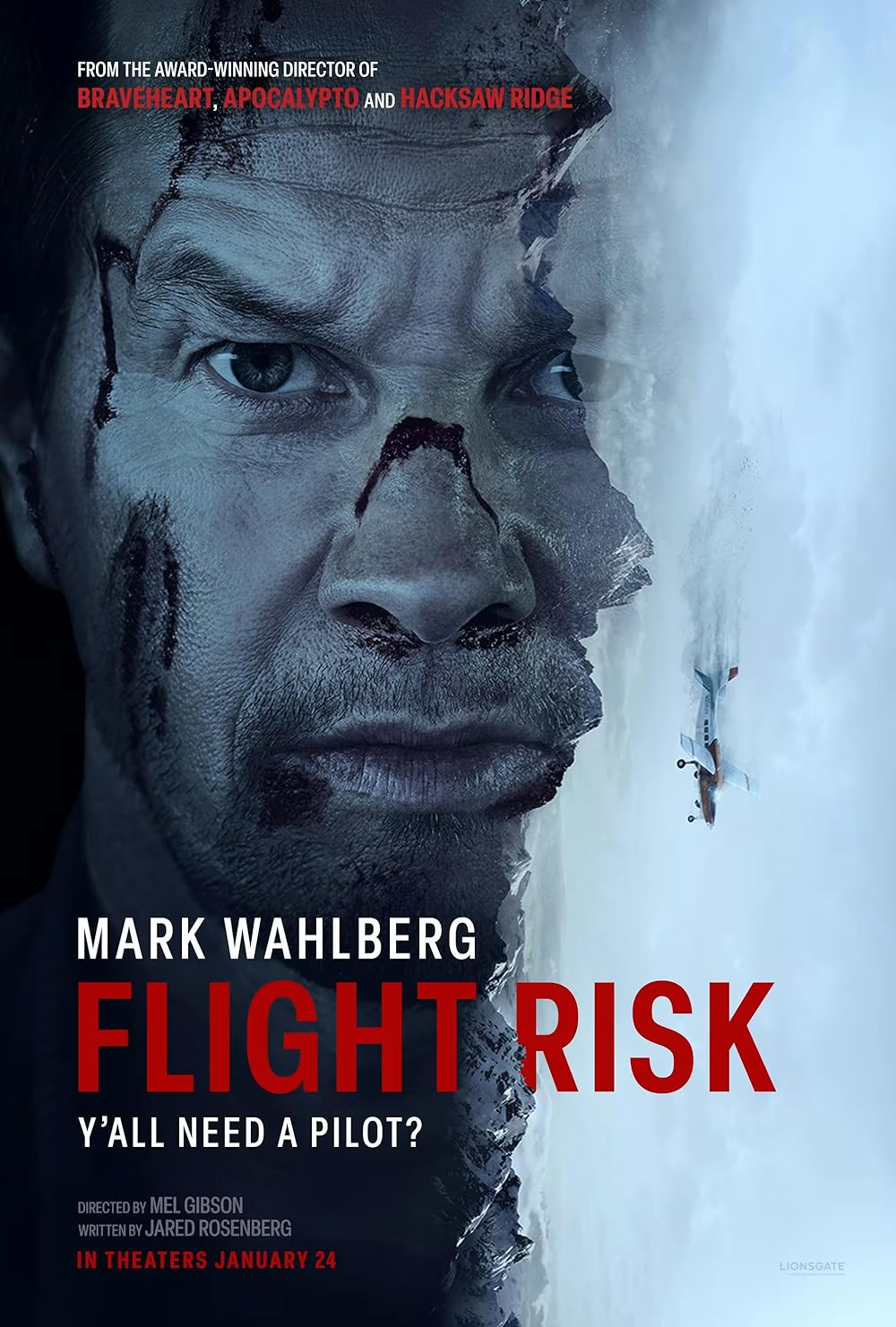
Flight Risk (2025)
written by Jared Rosenberg
directed by Mel Gibson
In Flight Risk, a U.S. Marshal (Michelle Dockery) has to fly an informant (Topher Grace) across Alaska before he gets killed by the mob. Trouble is, the pilot (Mark Wahlberg) is actually the hitman sent to take care of business. Could’ve been a solid action flick in the style of 90s thrillers like Narrow Margin (1990) or The Edge (1997). But not much happens besides watching Wahlberg ham it up as he utters ridiculous lines like, “You know the last thing that goes through your mind in a crash? Your ass.” Yep, it’s a bumpy ride.
Rating: **
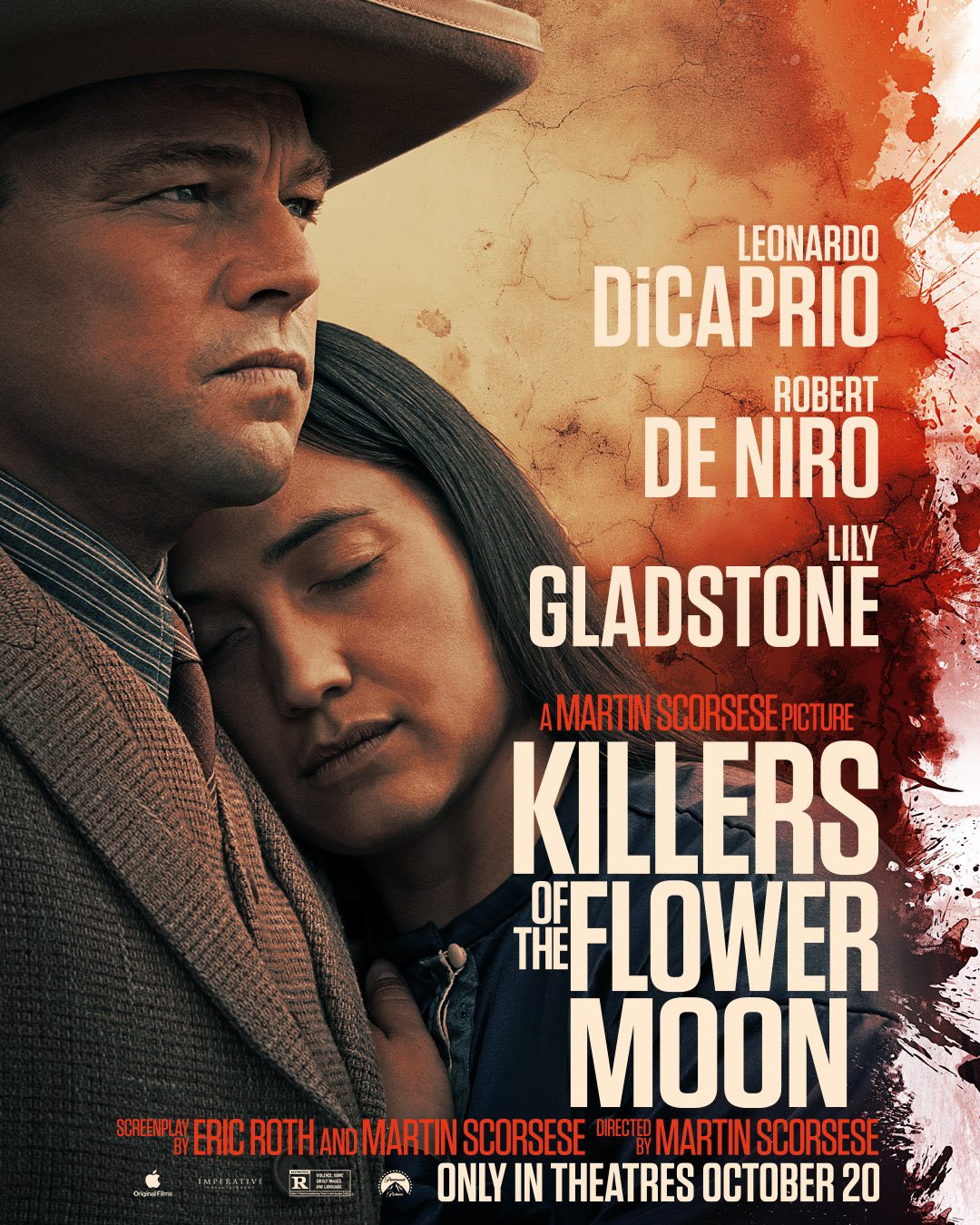
Killers of the Flower Moon (2025)
written by Eric Roth and Martin Scorsese
based on the book Killers of the Flower Moon: The Osage Murders and the Birth of the FBI by David Grann
directed by Martin Scorsese
Fimmaker Martin Scorsese‘s output after The Wolf of Wall Street (2013) has been a mixed bag for me, with Silence (2016), The Irishman (2019), and now Killers of the Flower Moon (2023) going for a slow, more introspective vibe that’s also quite long (the last two movies clock in at more than three hours and a half). And that would be fine if not for the fact that they feel less focused than the more energetic, hard-hitting films of Scorsese’s heyday.
Killers of the Flower Moon is about the real-life murders of Osage Native Americans in the 1920s, after the oil boom on their land made them millionaires overnight. And while the story’s interesting for sure, I never felt that the narrative or characters – including Robert De Niro as a crime boss and Leonardo DiCaprio as his dimwitted nephew/stooge – were moving the plot forward in compelling ways. Scorsese still has it, but maybe paring down his films would make for a leaner, more satisfying experience.
Rating: **½
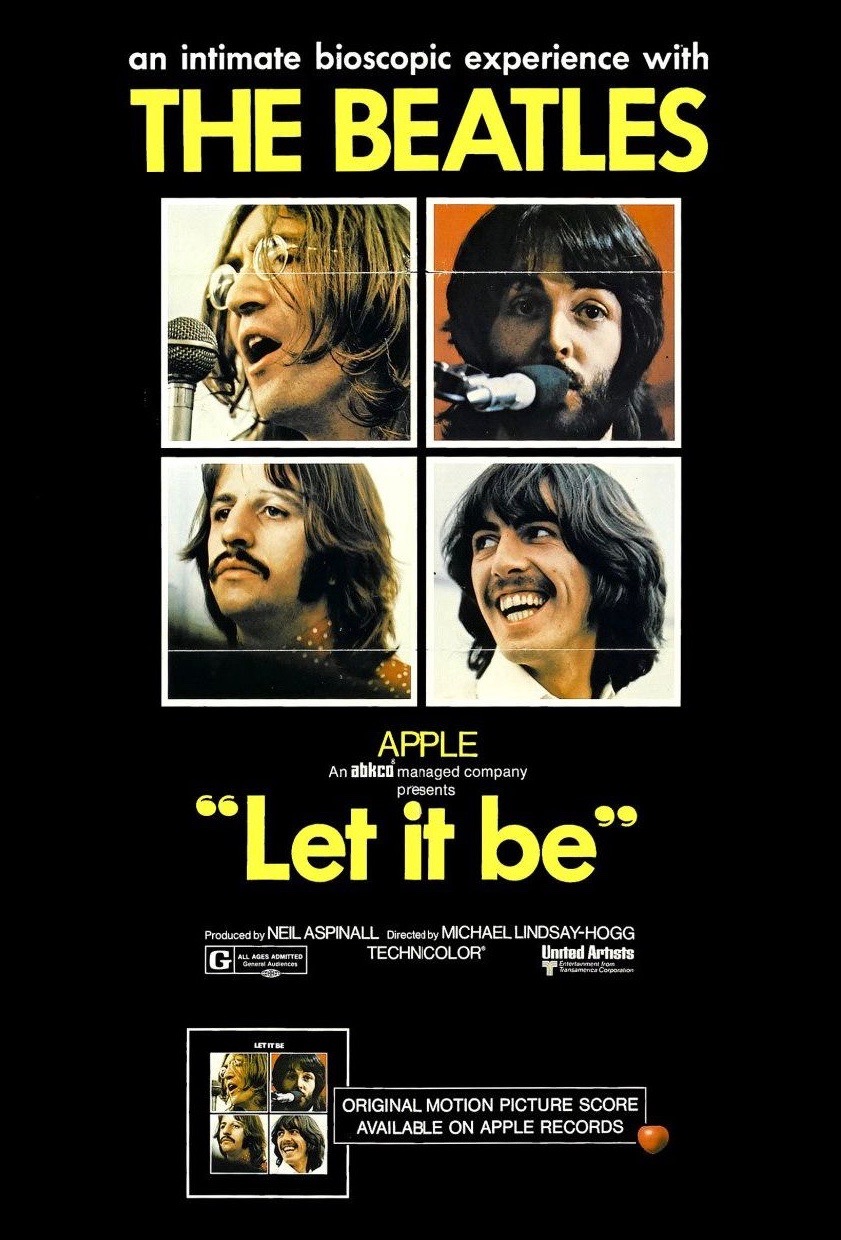
Let It Be (1970)
directed by Michael Lindsay-Hogg
Let It Be, the documentary/companion piece to The Beatles’ final studio album, didn’t start life that way, but rather as a filmed rehearsal meant to supplement a future live performance. The fact that it wasn’t planned as a proper doc makes it a fascinating, fly-on-the-wall experience, as the lads practice, goof off, argue, and ultimately come up with several new songs, including Get Back, The Long and Winding Road, and I Me Mine. More importantly, it records the band’s dynamics at a time when they were starting to implode – you can clearly see they still get a kick out of their effortless musical chemistry, but the stardom, egos, and creative differences are well on their way to splitting them apart.
The whole thing ends with a now-legendary impromptu rooftop concert which would be the very last time The Beatles played in “public.” As police arrive and the gang is whisked off, John Lennon says, “I hope we passed the audition!” You certainly did, guys… and music is so much better for it.
Rating: ***
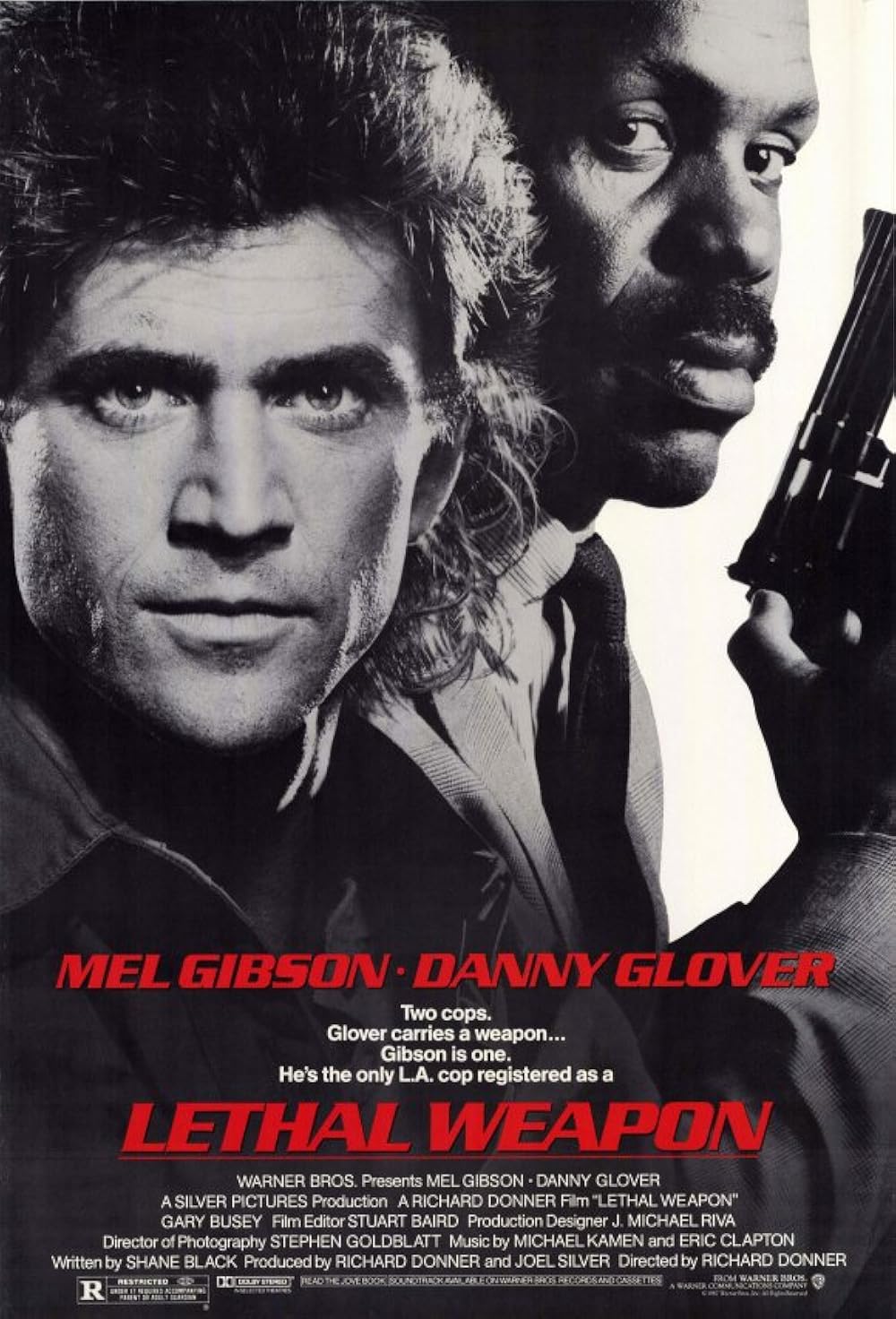
Lethal Weapon (1987)
written by Shane Black
directed by Richard Donner
There are plenty of buddy cop movies, but Lethal Weapon probably takes the cake in terms of 80s propulsive action flicks, a fast and loose rollercoaster ride that never lets up. A veteran, easygoing detective (Danny Glover) is paired with a suicidal younger officer (Mel Gibson) to investigate the death of a prostitute, leading them to drug smugglers, chases, shootouts, explosions, and a completely unnecessary fight under a broken fire hydrant. And while all that is exciting enough, the movie’s magic rests on the undeniable (and funny) chemistry between Glover and Gibson, mismatched partners on the road to friendship. Three sequels were made to this, but none as good.
Rating: ***
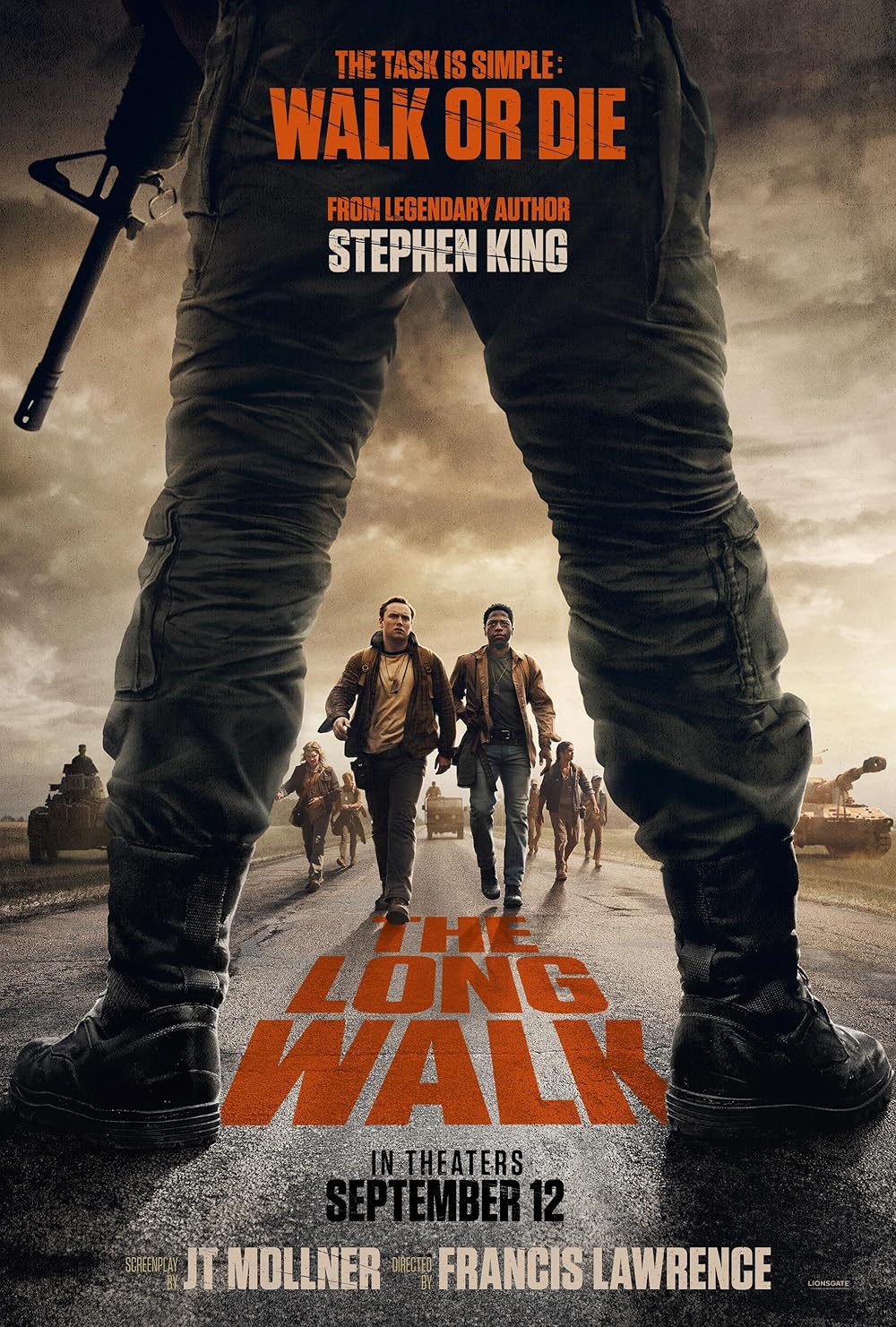
The Long Walk (2025)
written by JT Mollner
based on the novel by Stephen King
directed by Francis Lawrence
Novelist Stephen King has always been associated with horror and fantasy, but my favorite of his books (and movies) tend to be the ones that examine what it means to be human in the face of death. The Body (1982, adapted as Stand by Me in 1986) follows four pre-teens as they journey to find the remains of a dead boy; in Cujo (1981), a desperate mother fights to save her son from a rabid dog; It (1986) features an alien entity as its monster, but it’s really about childhood friends facing their own mortality; even more recent stories like Willa (2008), in which a couple of ghosts come to the realization that they’re dead, continue King’s fascination with the subject.
The Long Walk is adapted from King’s 1979 dystopian novel of the same name (written as Richard Bachman) in which a future United States, now prey to an authoritarian government, holds a yearly competition where young men must walk nonstop until only one is left standing – the rest will be killed. It’s a horrific scenario – King wrote it when he was 19, reflecting on the Vietnam War draft – and director Francis Lawrence keeps the tension throughout without going overboard. But what stays with you is the poignant way in which teenagers Ray (Cooper Hoffman) and Pete (David Jonsson) befriend each other despite the fact that one of them – perhaps both – will surely die. This is definitely one of the better King adaptations as of late.
Rating: ***
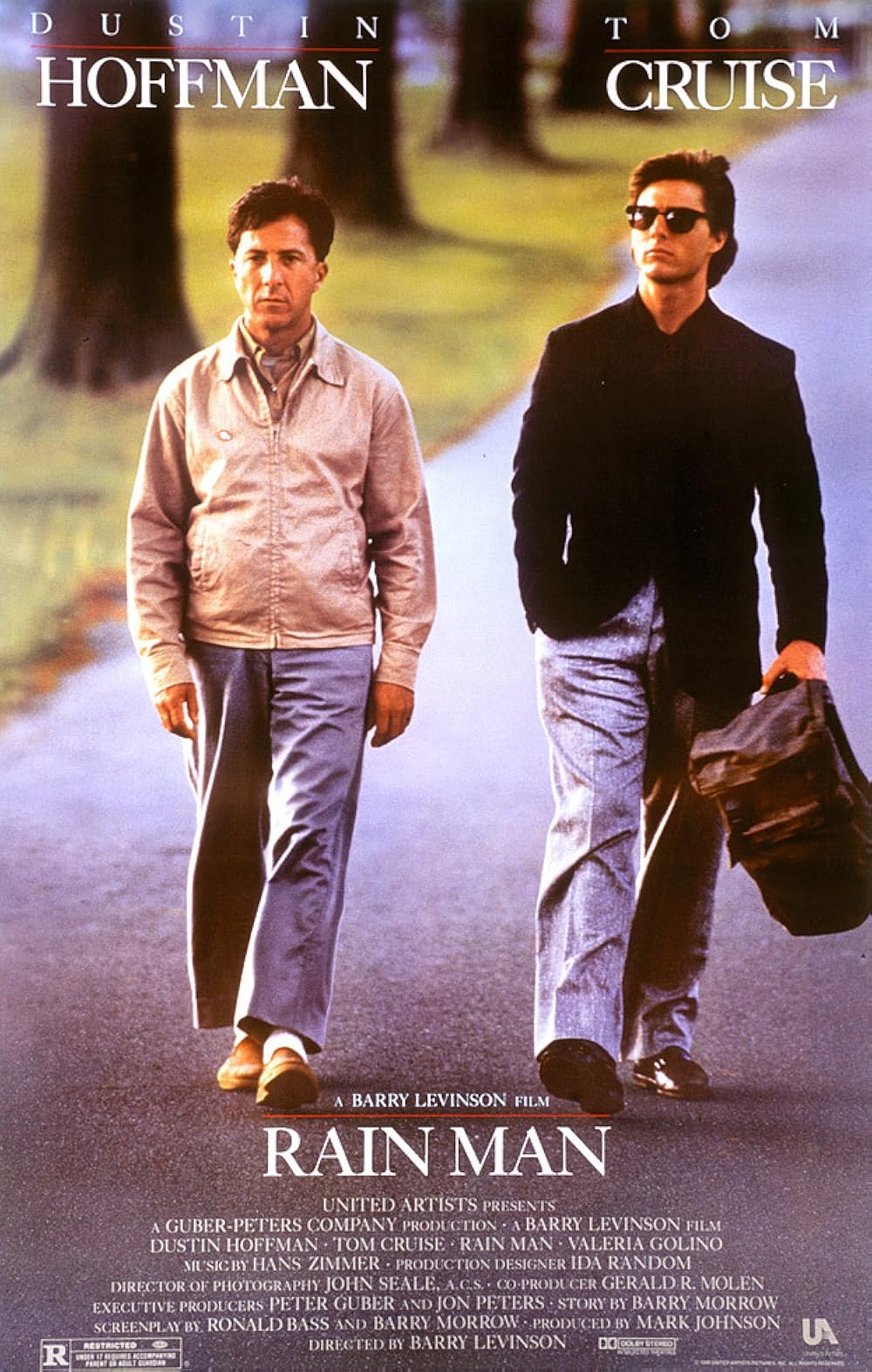
Rain Man (1988)
written by Barry Morrow and and Ronald Bass
from a story by Barry Morrow
directed by Barry Levinson
Charlie (Tom Cruise), an arrogant luxury car importer, discovers his estranged father has left the family fortune to Charlie’s autistic older brother Raymond (Dustin Hoffman). Scheming to claim the money, Charlie springs Raymond from a mental institution in Cincinnati and the siblings set out on a road trip to Los Angeles. Rain Man‘s simple structure is elevated by director Barry Levinson’s naturalistic style, John Seale’s gorgeous cinematography, and an unusual, memorable score by Hans Zimmer. And while Hoffman is good as the genius savant, I think his performance has somewhat overshadowed Cruise’s nuanced turn as an entitled asshole who learns to be a better human being.
Rating: ***
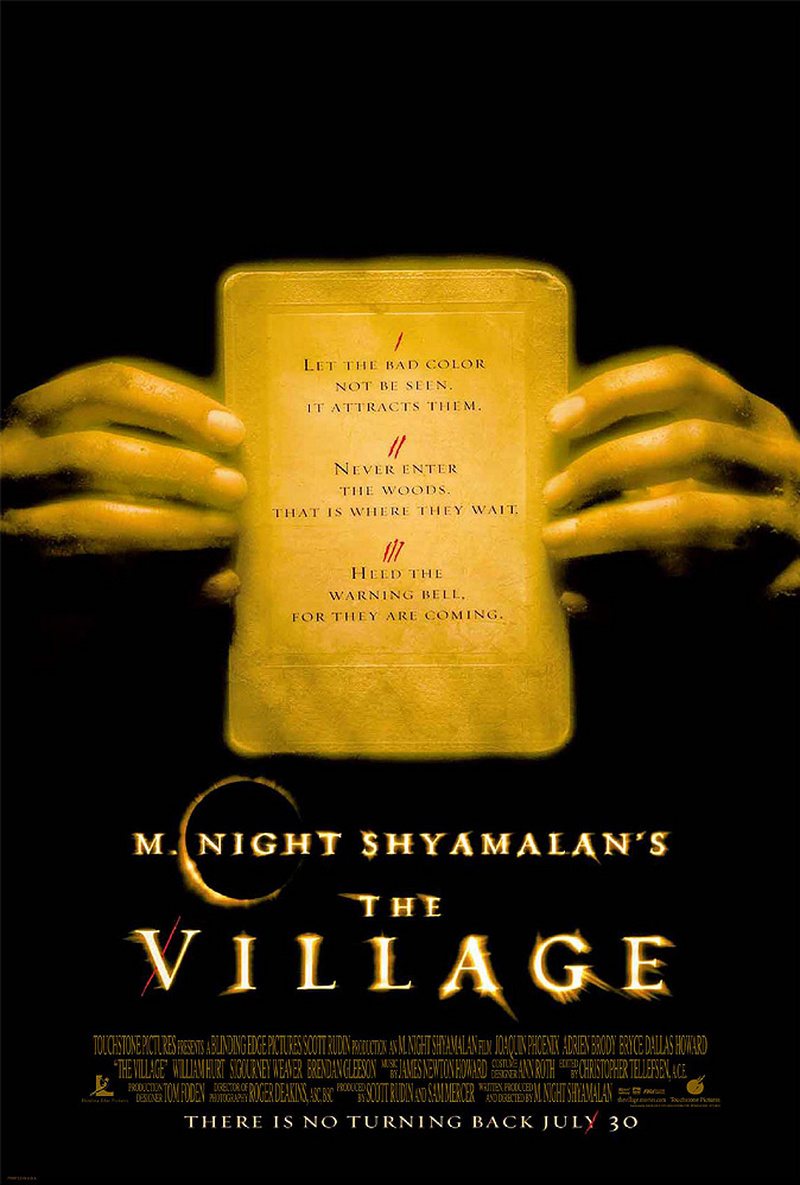
The Village (2004)
written and directed by M. Night Shyamalan
The Village is a horror/fantasy flick about a 19th century community that lives in fear of strange creatures that roam the woods nearby. Except there’s no horror or fantasy to speak of, because the multiple twists – as expected from writer/director M. Night Shyamalan – reveal that the monsters are a hoax perpetrated by the village elders, and the younger generations have also been duped into believing they are living in the past (when it’s actually the 21st century). Does it make any sense? No, and Shyamalan botches the narrative beats to earn such a finale.
But perhaps best not to dwell on the weakness of the script, and concentrate on the things that do work about The Village: The lovely performance from Bryce Dallas Howard as the strong-willed, blind daughter of the village’s leader (William Hurt); the lyrical score by James Newton Howard; and Roger Deakins’ masterful compositions (seriously, this movie has one of my favorite shots ever). If only “those we don’t speak of” had been real.
Rating: **½
Carlos I. Cuevas
Categories: Action, Comedy, Crime, Documentary, Drama, Horror, Movies, Mystery/Thriller
 A F T E R I M A G E